Polymer Testing
“The polymer (poly- many; mer-unit or parts) is a high molecular weight compound, formed by the combination of small molecules of low molecular weight”. Polymerization: “The process by which, monomer combine to form polymers is known as polymerization”.
The performance of a product is primarily governed by the properties of the material it is made of and design and processing parameters. Data on the properties of various plastics are necessary for designing, processing and examining the suitability of a material for particular end use application. The test data is also an important parameter for quality control of the product. Standard test methods are used for rapid generation of quantitative information of material properties. While developing a standard test method for material testing, prior attention is paid to ensure that the test results can be used to directly to predict the products performance characteristics under different conditions
In this website we are talking about various testing of plastic material, product Testing etc.
- Mechanical Testing- Tensile Testing, Flexural Testing, Compression Testing etc.
- Thermal Testing- DSC, TGA, HDT, VST etc.
- Electrical Testing- Electric Resistance, Volume Resistivity, Surface Resistivity etc.
- Morphology Test- SEM ,TEM, XRD etc.
- Identification Of Plastics/Polymer
We are also cover various Pipe Testing Methods as per IS Standards
- IS 4984
- IS 4985
- IS16098
- IS16088
- IS 13592
- IS 15328
- IS 14930
Various plastics pipes testing involve HDPE PIPE, CPVC PIPE, UPVC PIPE, CORRUGATED PIPE etc.
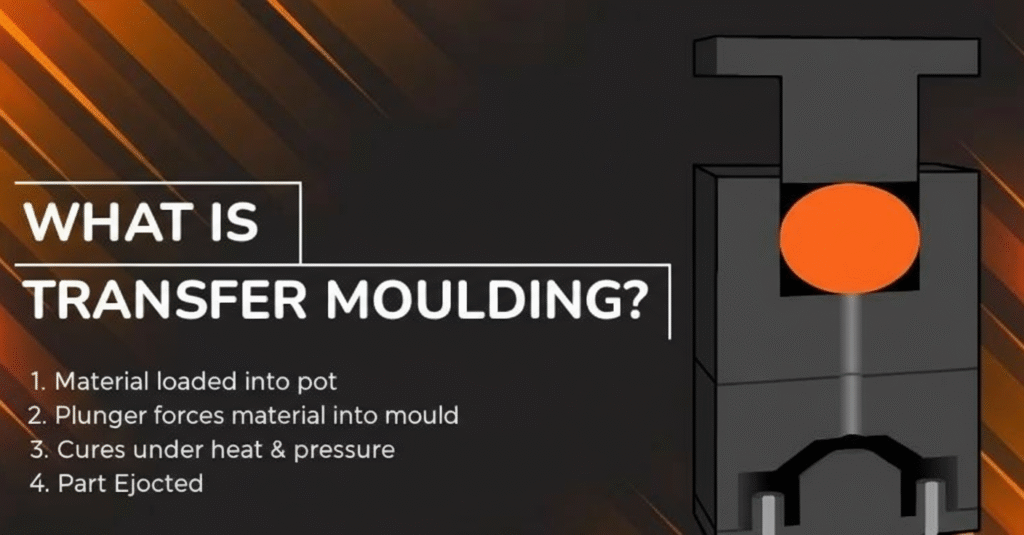
TRANSFER MOULDING
Transfer moulding is a process like compression moulding where the amount of moulding material (usually…
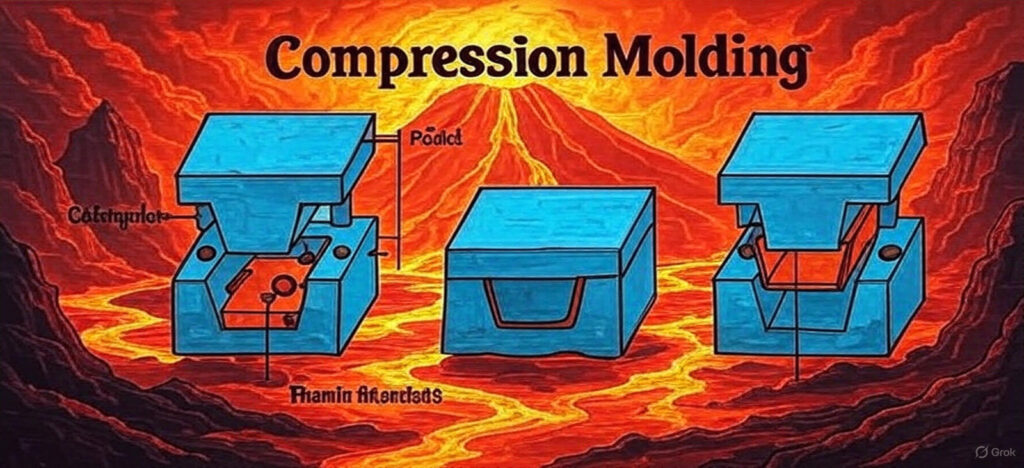
Compression Molding: Materials, Methods, and Applications
Compression moulding is a process of moulding a material in a confined shape by applying…
Injection Moulding Part-2: A Guide to the Different Types of Injection Moulding Processes
Types of Injection Moulding Reaction injection moulding Liquid injection moulding Gas assist injection moulding Co-injection…
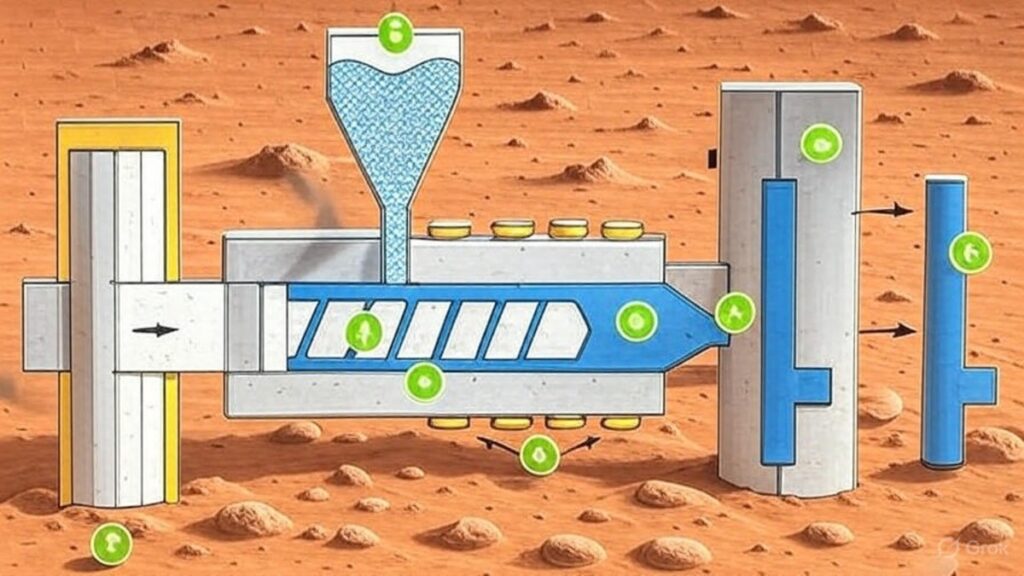
Injection Moulding Basics (Part 1): Everything You Need to Know
In the mass-production manufacturing technique known as injection molding, molten materials—most frequently thermoplastic polymers—are injected…

The Ultimate Guide to Crystalline vs. Amorphous Polymers
Crystalline polymers are characterized by their neatly packed and organized molecular structures, which come with…
Why Glass Transition Temperature Matters in Polymer Processing
The glass transition temperature (Tg) is a key feature of amorphous solids, especially polymers and…